

Kyoto, explained
Kyoto was Japan's imperial capital for more than a thousand years — today it is the country's richest city for temples, shrines, gardens and traditional neighbourhoods.
- Late March to May, and October to early December
- No airport — Kansai International (KIX) or Osaka Itami (ITM)
- 2–4 days
- Buses, subway, walking and taxis
The most famous sights are spread across the city: the vermilion torii gates of Fushimi Inari, Kiyomizu-dera on its wooden stage, the Golden Pavilion (Kinkaku-ji), and the bamboo grove at Arashiyama.
Gion and the lanes of Higashiyama keep the feel of old Kyoto, especially early in the morning and in the evening.
Best time to visit Kyoto
Spring
Cherry blossom in late March to early April is Kyoto's busiest moment of the year.
Summer
A rainy season in June and early July, then hot and humid. The Gion Matsuri festival fills July.
Autumn
Comfortable weather; autumn leaves usually peak from mid-November to early December, rivalling spring for crowds.
Winter
Cold and quiet — the best time to see the temples without crowds, occasionally under snow.
Getting to Kyoto
- Kyoto has no airport. From Kansai International (KIX), the JR Haruka express reaches Kyoto Station in about 75 minutes; from Osaka Itami (ITM), airport buses run to Kyoto.
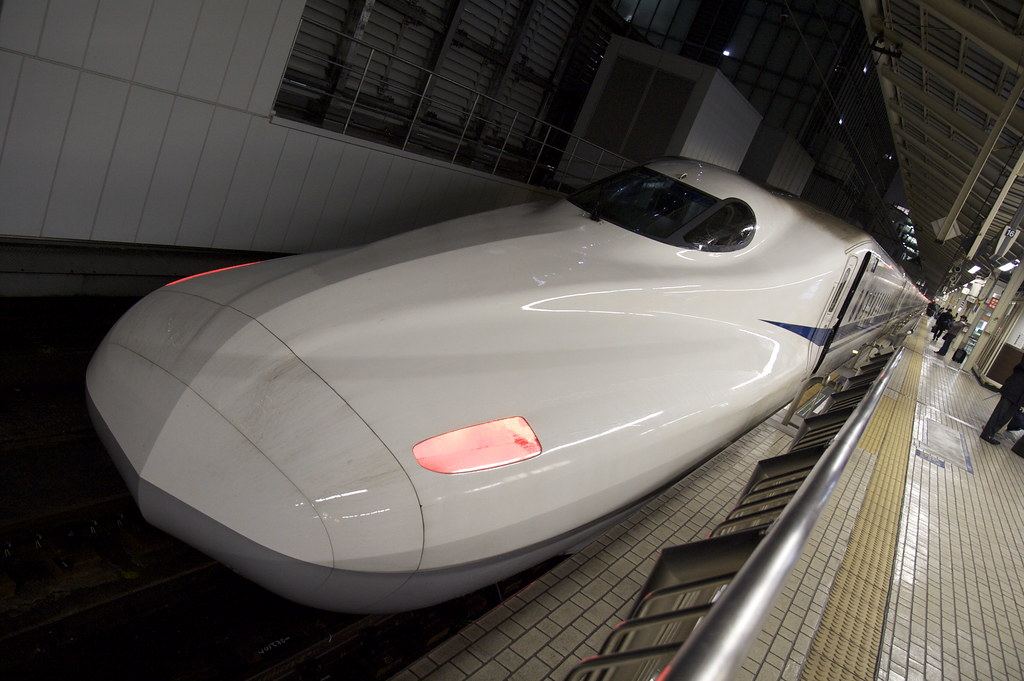
- The Shinkansen connects Kyoto with Tokyo in a little over two hours.
- From Osaka, trains take between 15 and 45 minutes depending on the line.
Private transfers in Kyoto start from ฿6,548 — compare 47 options.
Getting around Kyoto
- City buses reach most temples but get crowded at peak times; the subway is faster where it goes.
- Many sights cluster in walkable areas — Higashiyama in particular is best explored on foot.
- Taxis or a private driver make sense for groups and for linking temples that are far apart.
The best areas to stay in Kyoto
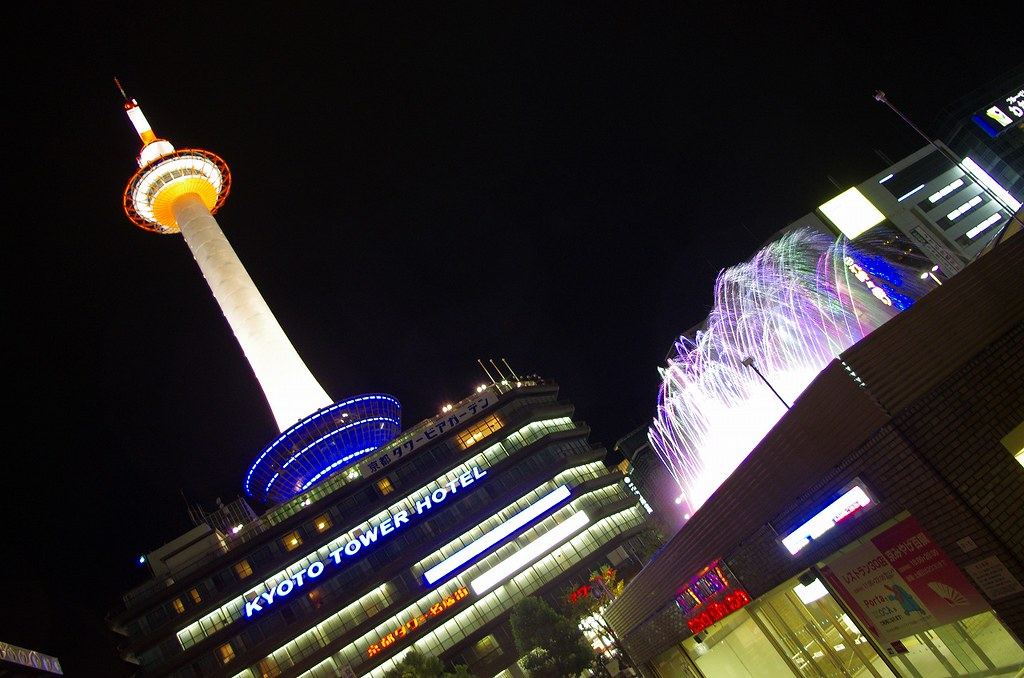
- Kyoto Station
- The most convenient base for arrivals, departures and day trips.
- Downtown (Kawaramachi)
- Central, with shopping, restaurants and Nishiki Market.
- Higashiyama & Gion
- The historic heart: temples, wooden townhouses and the geisha district.
- Arashiyama
- On the western edge, with the bamboo grove and river — lovely in the evening once day visitors leave.
How many days in Kyoto?
Two to four days. Two covers the headline sights at a rush; three or four lets you visit the big names early and slow down in between. Nara is an easy half-day or day trip.
Experiences worth booking in Kyoto
All 58 in Kyoto →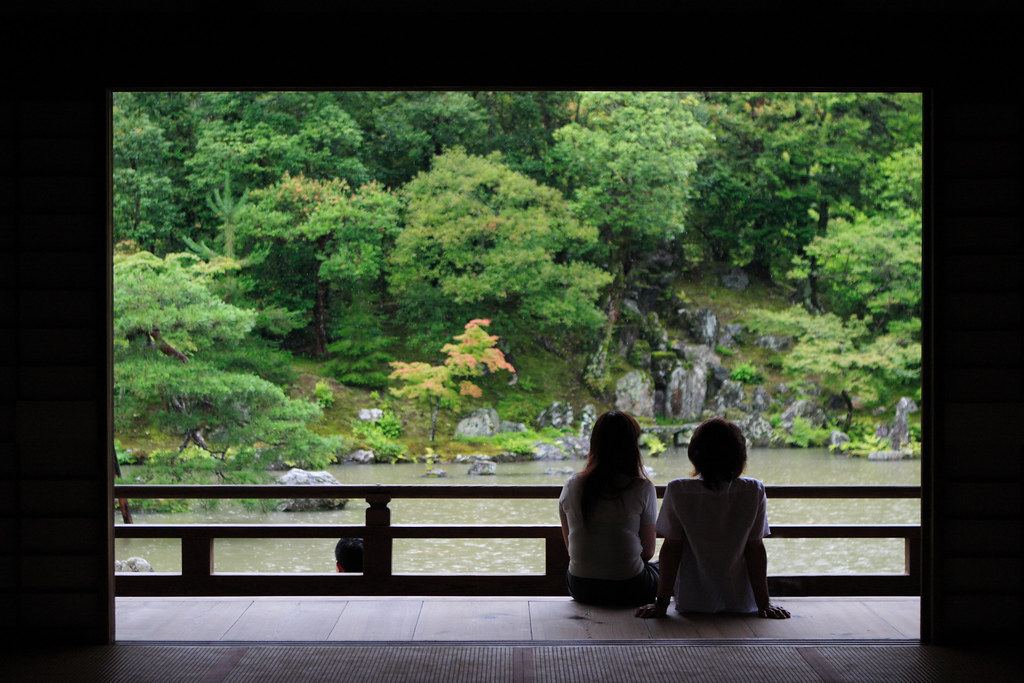
Kyoto travel tips
- Arrive at Fushimi Inari and the Arashiyama bamboo grove early in the morning to avoid the crowds.
- Do not photograph geiko or maiko without permission, and respect signs marking private lanes in Gion.
- Many temples close in the late afternoon — plan the big sights for the morning.
Kyoto travel questions
How do I get from Osaka or Kansai Airport to Kyoto?
From Kansai Airport, take the JR Haruka express (about 75 minutes) or a private transfer. From Osaka, trains take 15 to 45 minutes depending on the line.
How many days do you need in Kyoto?
Three days is a comfortable minimum for the main temples, Gion and Arashiyama. Two days works if you start early.
When do the autumn leaves peak in Kyoto?
Usually from mid-November to early December, varying by year and altitude.
How much is a private transfer in Kyoto?
Private transfers in Kyoto start from THB 6,548 on Explera Discover, including the payment processing fee. 47 vehicle and route options are available.
What can I book in Kyoto?
Explera Discover lists 11 experiences and 47 private transfers in Kyoto, each confirmed by Explera DMC's local team.
Book Kyoto with a local team behind you
Prices include the payment fee. Every booking is confirmed by our local team.