

Your first trip to Japan
A first trip to Japan usually runs Tokyo to Kyoto and Osaka on the Shinkansen — seven to fourteen days, at its best in spring and autumn.
- Japanese yen (JPY)
- Types A and B; 100 V
- On the left
- Tokyo Narita (NRT) and Haneda (HND), Osaka Kansai (KIX)
- Depends on your passport — check the Ministry of Foreign Affairs of Japan or your government's travel advice
How to spend 7, 10 or 14 days in Japan
Tokyo and Kyoto
Four nights in Tokyo, then the Shinkansen to Kyoto's temples and shrines, with a day trip to Nara or Osaka.
The Golden Route
Add a night at a Hakone hot-spring inn, with views of Mount Fuji on a clear day, and finish with Osaka's food and Universal Studios Japan.
When to go to Japan
- Late March to early April is cherry-blossom season, and October to November brings autumn colour — the most popular, and most booked, times.
- June brings the rainy season to most of the country; July and August are hot and humid.
- Winter is cold and clear in Tokyo and Kyoto, with skiing in the Japanese Alps, around Hakuba.
- Avoid booking late at Golden Week (late April to early May), Obon (mid-August) and New Year, when Japanese holidaymakers fill trains and hotels.
Getting between cities in Japan
- The Shinkansen links Tokyo, Kyoto and Osaka; the fastest Tokyo–Kyoto trains take a little over two hours.
- Large suitcases on the Tokaido Shinkansen need a seat with an oversized-baggage area reserved in advance — or send bags ahead with a luggage-forwarding service.
- The Japan Rail Pass now only pays off for long, train-heavy itineraries; compare it with single Shinkansen tickets for your route.
- A private transfer is the easiest way from Narita, Haneda or Kansai to a hotel with luggage or a family.
On the classic route
All 312 in Japan →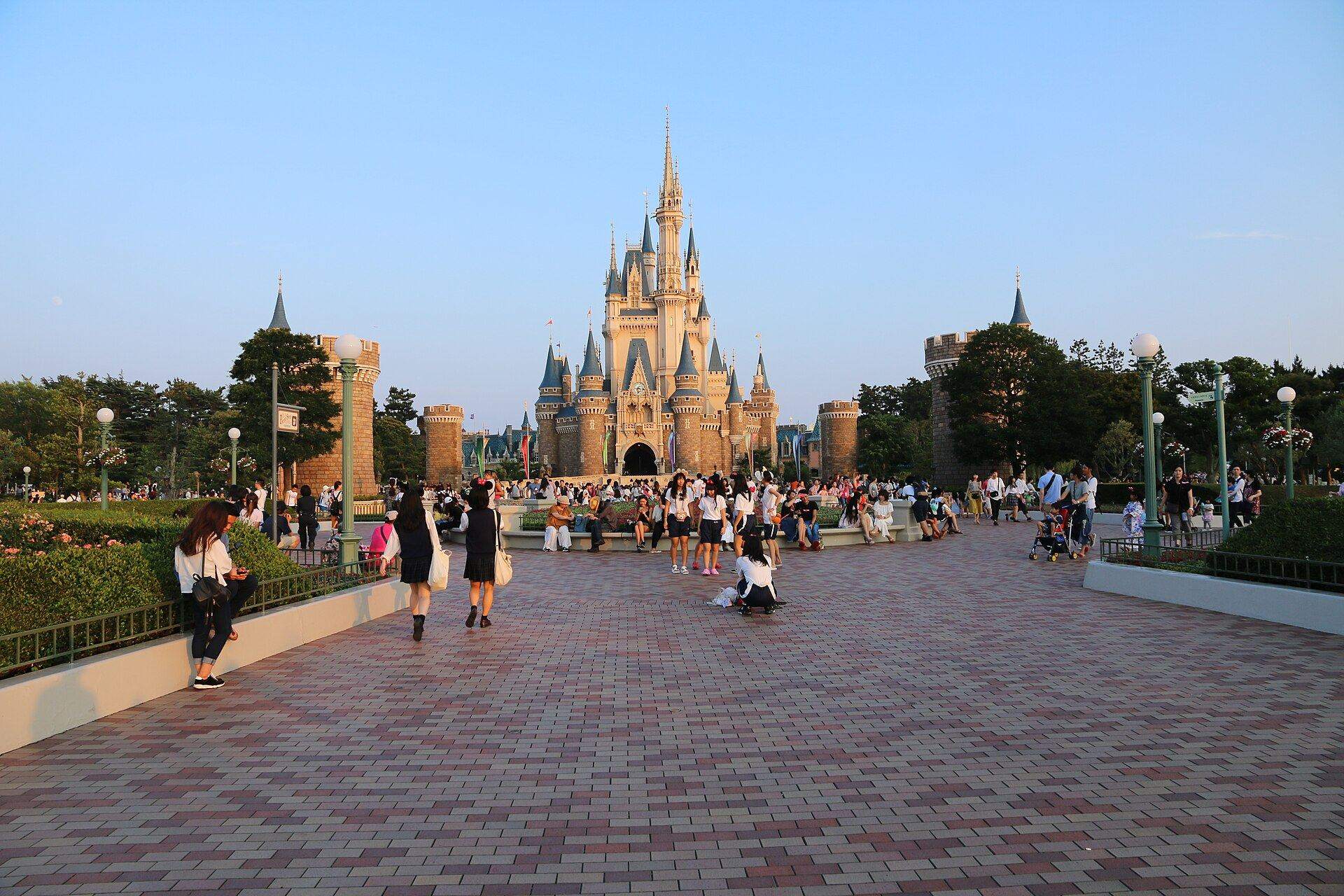
Tokyo Disneyland 1-Day Pass Ticket: Normal
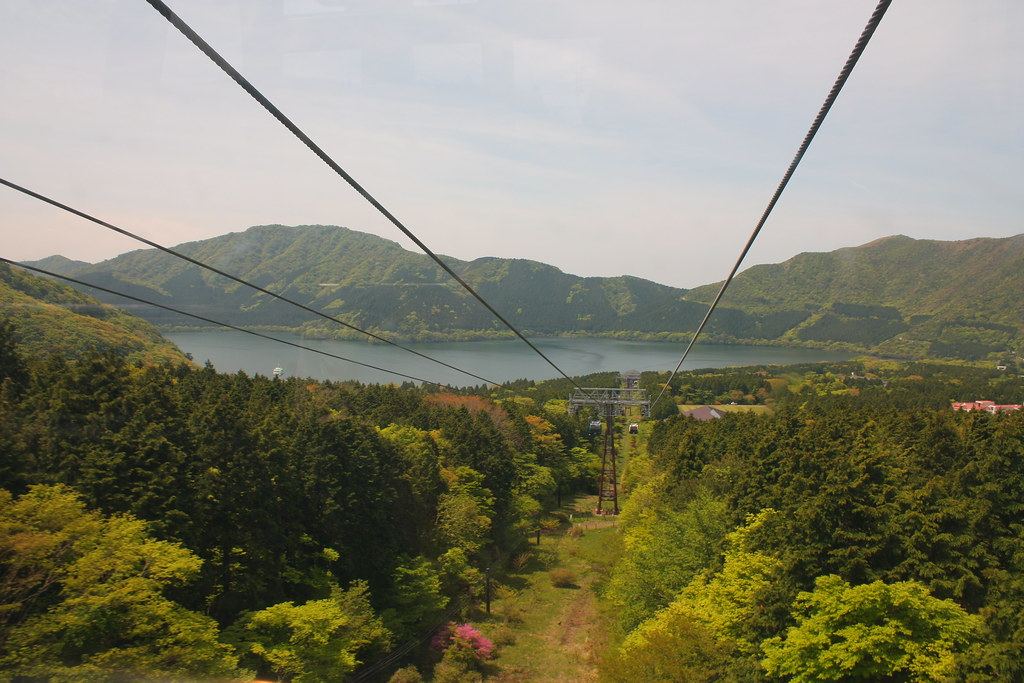
Hakone Ropeway Roundtrip 1-Day Ticket
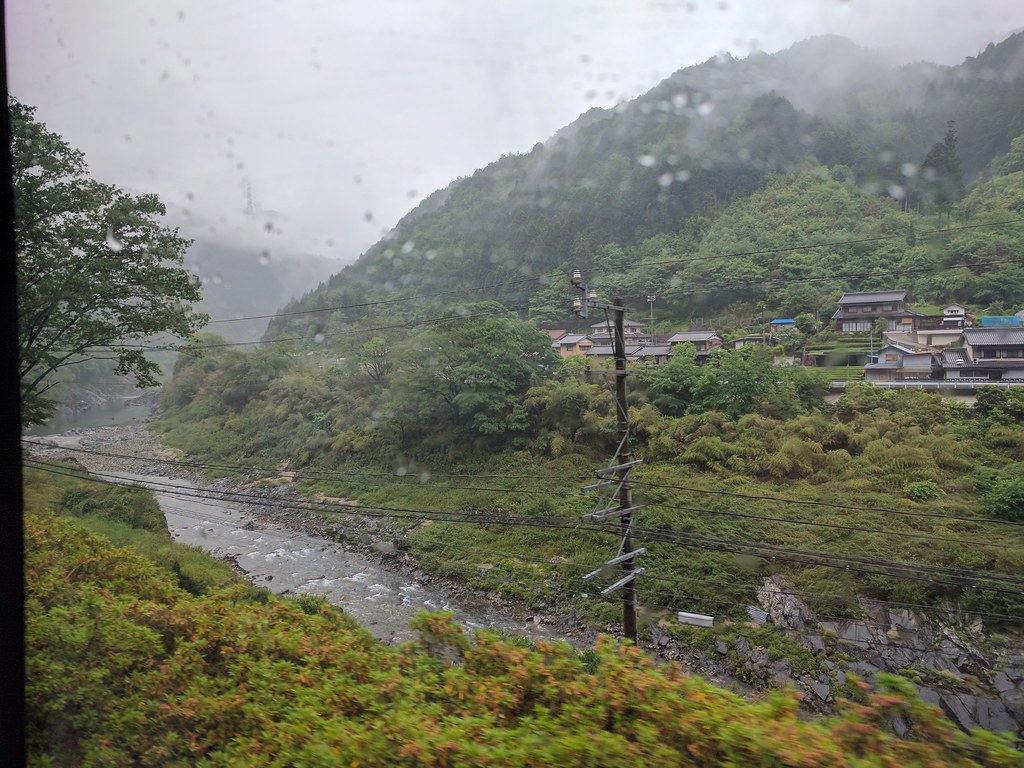
Takayama to Kyoto Limited Express Hida 36 Train Ticket: Reserved Seat

Osaka Aquarium Kaiyukan Admission Ticket
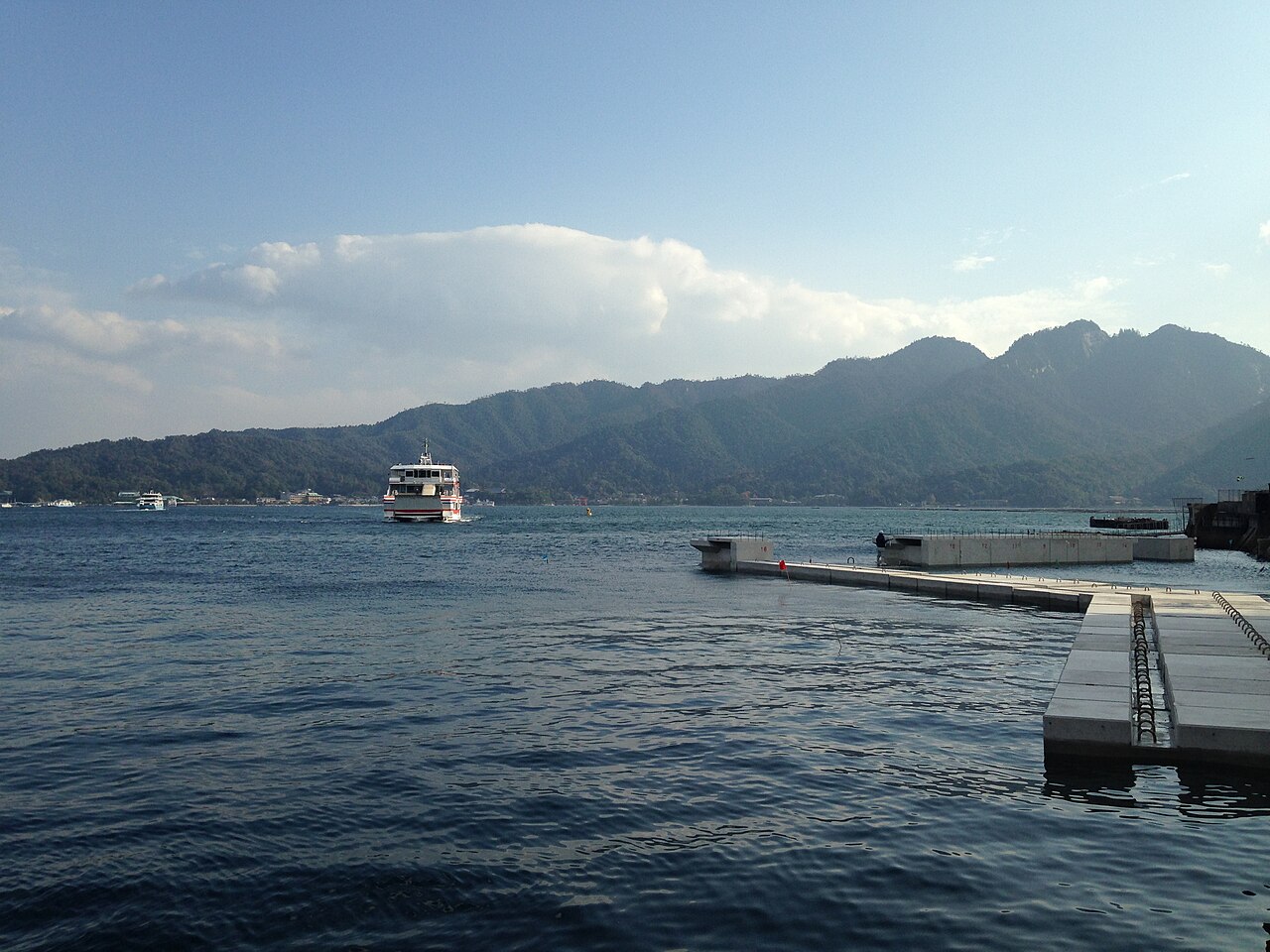
Hiroshima to Miyajima: Jr Train & Ferry
Money, cards and tipping
- Cards are widely accepted, but carry cash for small restaurants, shrines, temples and rural areas.
- Convenience-store ATMs generally accept foreign cards.
- Tipping is not customary in Japan and is often politely refused.
- An IC card (Suica, PASMO or ICOCA) pays for trains, buses and convenience stores with a tap.
Good to know
- Keep your voice down on trains and do not take phone calls on board.
- Take your shoes off where you see a step up or slippers at the entrance — homes, ryokan, some temples and restaurants.
- Queue in the marked lines on station platforms, and carry your rubbish with you: public bins are rare.
Read before you go
First trip to Japan: questions
How many days do I need for a first trip to Japan?
Seven days covers Tokyo and Kyoto; ten to fourteen days adds Hakone, Osaka and Hiroshima with Miyajima.
Is the Japan Rail Pass worth it?
Only for long, train-heavy itineraries. For Tokyo, Kyoto and Osaka alone, single Shinkansen tickets usually cost less — compare the two for your route.
When is the best time to visit Japan?
Late March to early April for cherry blossom and October to November for autumn colour. Both are busy, so book hotels and trains early.
Do I need cash in Japan?
Some. Cards work in most hotels, shops and chains, but small restaurants, temples and rural areas often take cash only.
Can I book tours and transfers in Japan before I go?
Yes. Explera Discover lists 75 experiences and 237 private transfers in Japan, each confirmed by our local desk with an e-voucher by email.
Tours, transfers and guides across Japan
All-in prices in your currency. Confirmed by our local desk, e-voucher by email.